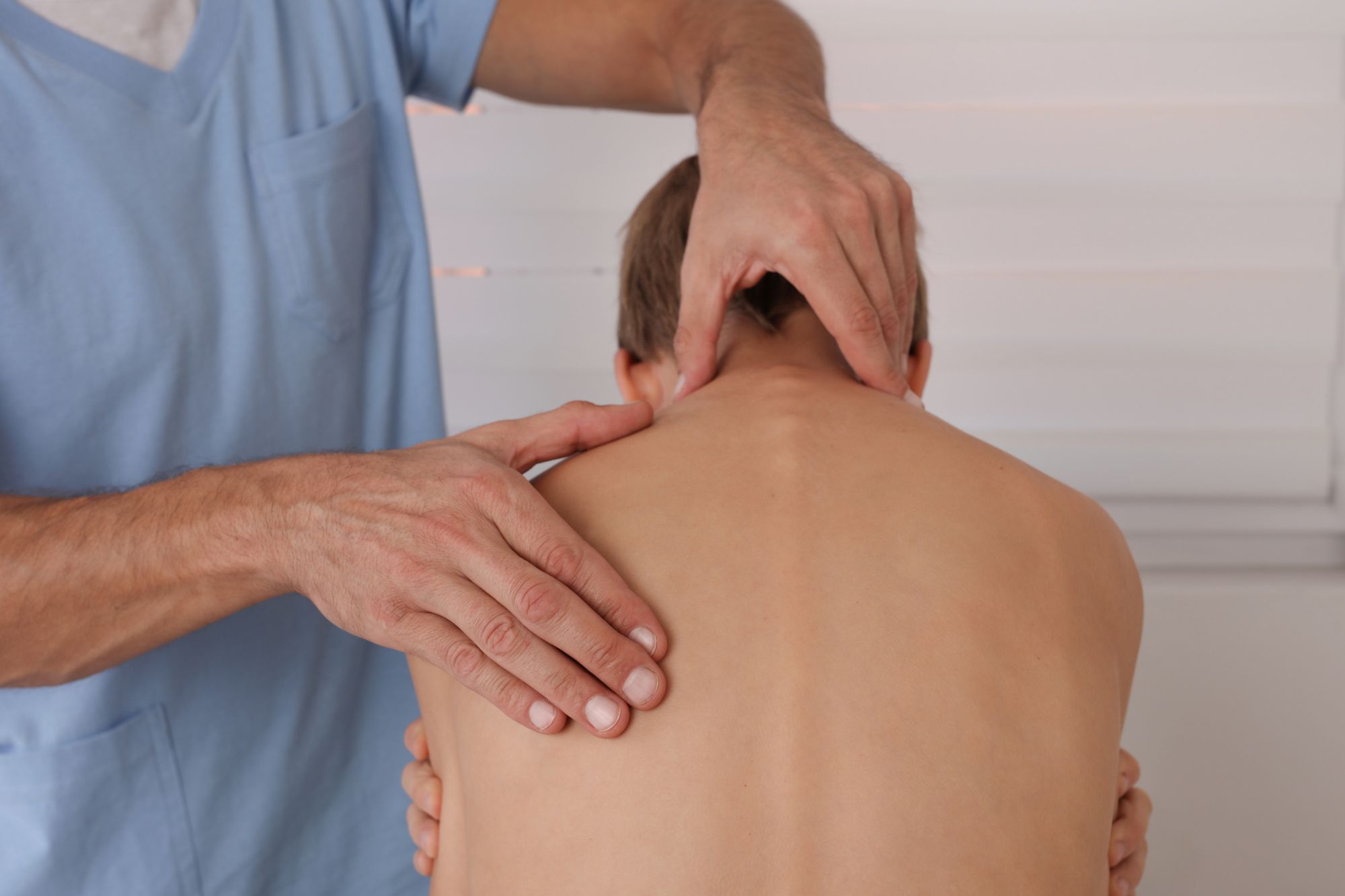
Scoliosis is a spinal condition that commonly develops during childhood and adolescence. As teenagers go through growth spurts, changes in spinal alignment may become more noticeable. Early assessment is important to monitor spinal development and identify suitable treatment options. With professional scoliosis treatment Kuala Lumpur, teenagers can receive appropriate care to improve movement, manage discomfort and support long-term spinal health.
Understanding Scoliosis Treatment Kuala Lumpur for Teenagers
Scoliosis is a condition where the spine curves sideways into an S-shaped or C-shaped curve. It most commonly develops between the ages of 10 and 18, often during rapid growth.
Key facts:
Adolescent idiopathic scoliosis is the most common type.
A spinal curve of more than 10 degrees (Cobb angle) is generally classified as scoliosis.
Early assessment helps monitor spinal growth and determine suitable treatment if needed.
Common Signs of Scoliosis Among Teens
Scoliosis does not always cause pain, making it difficult for parents to recognise during its early stages. However, several physical changes may indicate uneven spinal alignment.
Common signs include:
Uneven shoulders: One shoulder appears higher than the other.
Uneven hips: One hip looks more prominent or sits higher.
Protruding shoulder blade: One shoulder blade sticks out more noticeably.
Uneven waistline: The waist appears asymmetrical when standing.
Leaning posture: The body tends to lean towards one side.
Rib prominence: One side of the rib cage appears higher when bending forward.
What Causes Scoliosis in Teenagers?
Most teenage scoliosis cases are classified as idiopathic, meaning the exact cause is unknown. However, several factors may contribute to its development:
Genetics: Scoliosis may run in families.
Rapid Growth: Spinal curvature may become more noticeable during puberty.
Neuromuscular Conditions: Certain muscle and nerve conditions can affect spinal alignment.
Congenital Factors: Abnormal spinal development before birth may cause scoliosis.
How Is Scoliosis Diagnosed in Teenagers?
Scoliosis diagnosis involves checking spinal alignment, posture and the degree of curvature. Common assessment methods include:
Physical Examination: Checks shoulder, hip and spinal alignment.
Forward Bend Test: Identifies uneven areas along the back.
Scoliometer Assessment: Measures trunk rotation.
X-ray Examination: Confirms scoliosis and measures the spinal curve using the Cobb angle.
Suitability for Teens: Mild, Moderate or Severe Scoliosis
Scoliosis treatment depends on the spinal curve, remaining growth and risk of progression.
Mild (10°–25°): Regular monitoring and physiotherapy to improve strength and movement.
Moderate (25°–45°): Closer monitoring, scoliosis-specific exercises and possible spinal bracing.
Severe (Above 45°–50°): Assessment by an orthopaedic specialist, with surgery considered when necessary.
Treatment Options for Teenage Scoliosis
Teenage scoliosis treatment depends on the severity of the spinal curve and the teenager’s growth stage. Common options include:
Physiotherapy: Improves muscle strength, flexibility, posture and movement control.
Spinal Bracing: Helps prevent curve progression in growing teenagers.
Regular Monitoring: Tracks changes in spinal curvature through clinical reviews and X-rays.
Surgical Treatment: May be considered for severe or progressive scoliosis following specialist assessment.
When Should Parents Seek Scoliosis Treatment Kuala Lumpur?
Parents should arrange an assessment if they notice changes in their teenager’s posture or spinal alignment, such as:
Uneven shoulders or hips.
Prominent shoulder blades or ribs.
Persistent back discomfort.
Noticeable posture changes during puberty.
Difficulty with physical activities.
Scoliosis Treatment Kuala Lumpur Pricing
The cost of scoliosis treatment in Kuala Lumpur varies depending on the assessment, treatment approach and number of sessions required.
Estimated private physiotherapy costs include:
Initial Assessment: RM250–RM400 per session.
Scoliosis Physiotherapy: RM200–RM380 per session.
Treatment Packages: Vary depending on the number of sessions and programme.
Frequently Asked Questions (FAQs)
Q: Can scoliosis affect daily activities?
A: Yes. Severe scoliosis may affect flexibility, comfort and movement.
Q: What is the best sleeping position for scoliosis?
A: Any comfortable position is generally suitable. No sleeping position can correct spinal curvature.
Q: Can scoliosis affect breathing?
A: Severe spinal curvature may affect lung function and breathing capacity.
Q: Can scoliosis return after treatment?
A: Yes. Spinal curvature may progress over time, especially during growth.
Q: Can teenagers with scoliosis do weightlifting?
A: Yes. With proper guidance, most can perform suitable strength training.
About Physiowerkz
Physiowerkz is a trusted physiotherapy centre in Kuala Lumpur, combining advanced technology with professional care. Its Physiowerkz Movement Analysis and Treatment System (PMAT) supports accurate assessment and personalised treatment planning. With clinically guided treatment approaches and experienced therapists, Physiowerkz helps patients improve movement, manage physical conditions and work towards long-term wellness.
Teenage scoliosis requires proper assessment and ongoing management, particularly during periods of rapid growth. Choosing suitable scoliosis treatment Kuala Lumpur can help teenagers maintain better movement and physical function as they grow.
Concerned about your teenager’s spinal alignment? Contact Physiowerkz to arrange an assessment and explore suitable physiotherapy options for their needs.